

As a journalist, 'The Devil Wears Prada 2' touched a raw nerveA sharp sequel has swapped fashion fantasy for a sobering look at journalism’s fragile future today.
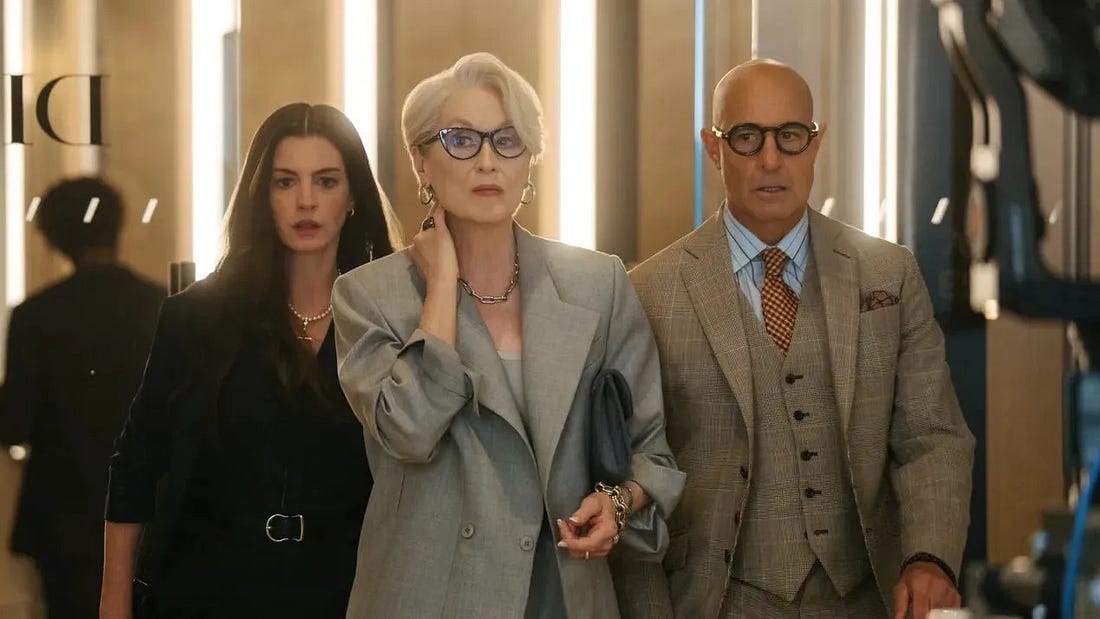
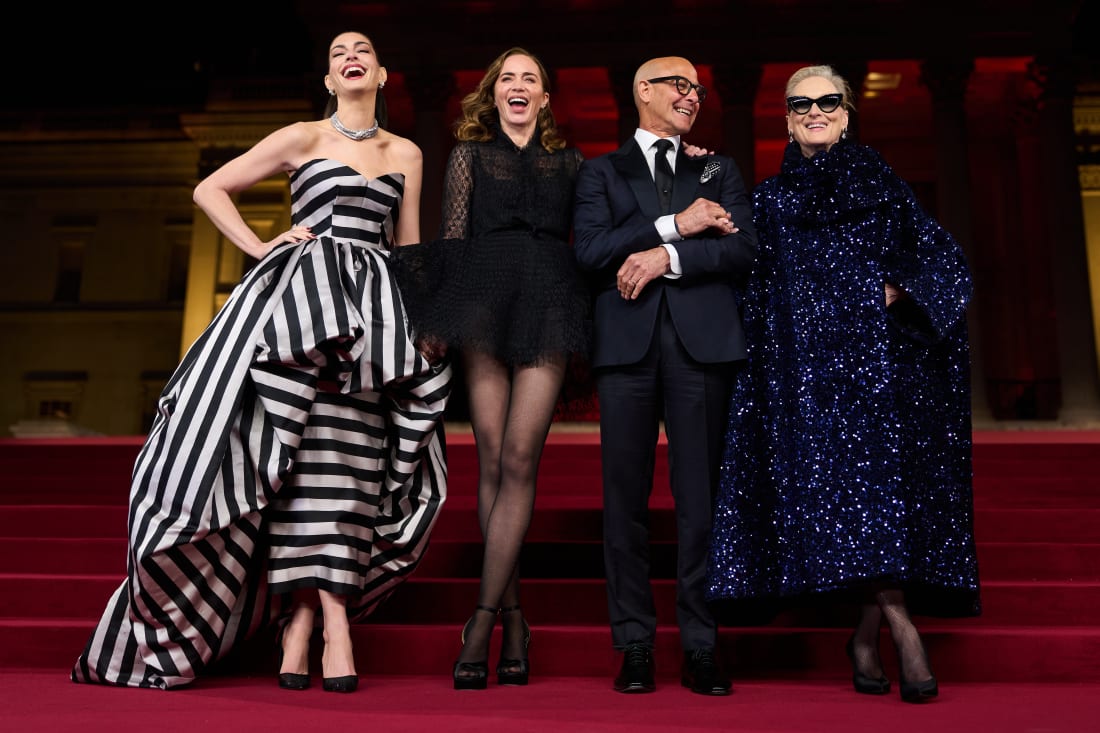
This week, one of the most anticipated films of 2026 was released: The Devil Wears Prada 2. The high priestess of fashion, Miranda Priestly played by Meryl Streep, strutted her way out in the open for another look at the world anew. Where has she been all this time? I had so many questions before entering The Devil Wears Prada 2, but I did not anticipate how closely the sequel would address these issues, how closely it would distil the fears into legitimate concerns that drive the story forward. If the original film did not really love the fashion industry, the sequel has turned a more keen eye towards it. The sequel comes close to upholding the idea that real journalism must exist and is important. Turns out, The Devil Wears Prada 2 wants to save journalism. As a journalist, the film struck a raw nerve and felt almost like a horror movie. The film is a comedy in the sense that it hides a troubling truth and a darker reality, presenting them with wide-eyed benevolence. It is no longer a source for glossy escapism as it taps into something far more reflective and quietly unsettling.
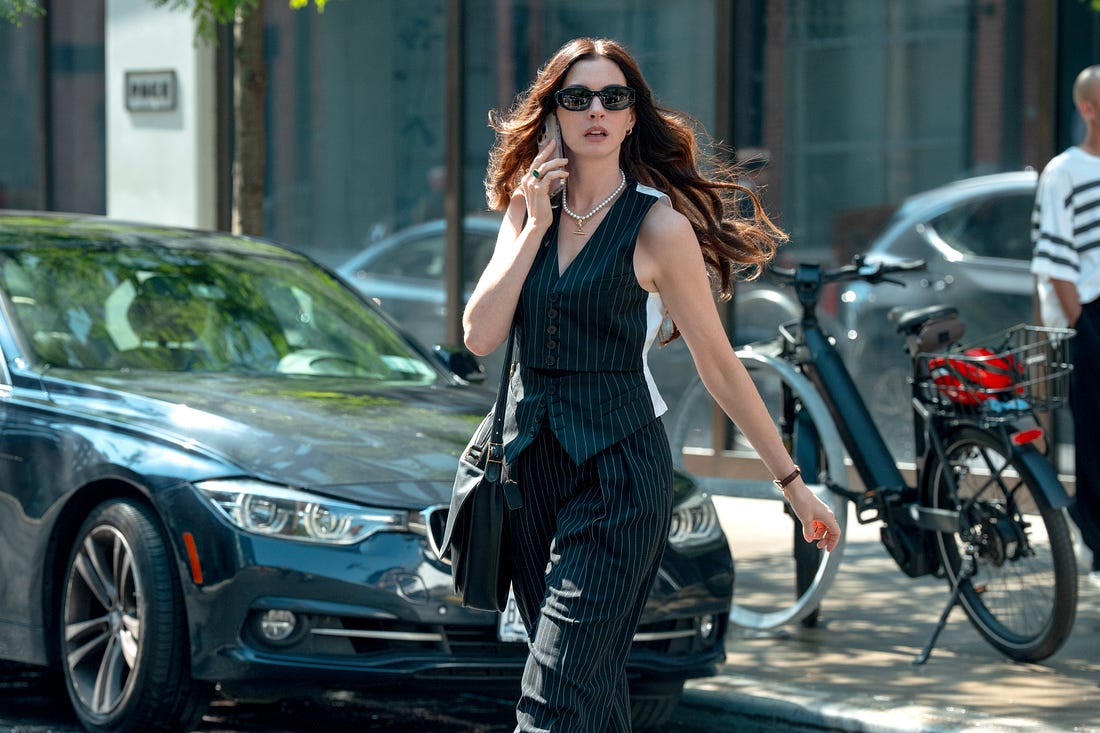
The Devil Wears Prada 2 begins with Andy Sachs (Anne Hathaway), now an investigative reporter, being abruptly laid off via text, right before she is up for an award for her work. There are no chuckles there, as she rallies for real journalism to be valued. Next, she knows that she needs a job, and although she never thought she would work under Miranda again, she returns to Runway with little choice of her own. She wants to survive. Soon, she will see that Runway magazine is in survival mode too, with the legacy publication begging for goodwill in a world that is ready to cancel on the internet. Soon she will realise that it is not the same job “thousands of girls would kill for”. Meanwhile, Emily (Emily Blunt), who was once Miranda’s other assistant, now works at Dior. Turns out, she has an upper hand on Miranda now in many ways, wasting no time to explain that retail is the only part of luxury fashion that still makes money. Her new boyfriend, tech bro Benji Barnes (Justin Theroux), will come dangerously close to setting her up as the new empress of fashion. And then, of course, there’s AI. Miranda is humbled by the looming threat of AI and how all of it, her work and the fashion world at large, could fade away between the poles of information and noise altogether. How Runway will lose its identity in the hands of corporate overlords. This is no fantasy, as The Devil Wears Prada 2 is quietly severe in its commentary on modern journalism and media culture. There will be layoffs, Miranda knows, and she will have to provide more pages of the magazine for advertisements.
It is tough to carry forward a legacy as beloved and adored as the 2006 film. A lot has changed in fashion publishing and the media landscape since its release 20 years ago. Print magazines are no longer the holy grail to tell us what matters and what is in style. Social media has altered the monopoly, and cancel culture has bloomed out of proportion. In the age of influencers, how much power can a Miranda Priestly hold? Her job is no longer to curate taste for the generation, but to make sense of it. She is losing her power to something intangible, and that grief is a reflection of an entire generation. As a journalist, I am a little too familiar about algorithms, AI-led content, and social media trends. What worked yesterday may not work today, as trends change by the hour and the internet can make or break careers, derail them, and transform trajectories forever. The internet never sleeps or forgets, and the media trial that came too close to destabilising the power of Runway magazine, as well as Miranda Priestly, did not make me chuckle. It made me sigh, an all too well-meaning sigh of recognition. The Devil Wears Prada 2 is sharp, focused, and truly refreshing in how it approaches these concerns. It understands that the Met Gala is no longer just an exclusive event. It might be an in-person event, but today, it is just as close to being a social media event, where the one moment that goes most viral will provide the biggest traction. Miranda was humbled, and so was I. That’s all. Thanks for reading! Subscribe to HT Entertainment for free to receive new posts.
|






0 टिप्पणियाँ: