

Hemlines and headlines: Inside fashion's long, complicated love affair with protest and politicsThe runway has never been just about clothes. From political slogans to powerful social messages, designers have used fashion to question, challenge and reflect the world around them.
“Fashion is the armour to survive the reality of everyday life,” designer Bill Cunningham once said. Protests are meant to make people stop, look and think. Surprisingly, so are some fashion shows. Delhi is witnessing two very different kinds of spectacles this week. While the city’s streets continue to echo with slogans from young protesters demonstrating against the Education Minister, another stage is being set just a few kilometres away. From July 23, India Couture Week will take over the Taj Palace, New Delhi, with couture, celebrities and dazzling creations. But these two worlds may not be as far apart as they appear. Fashion has always been more than just clothes and couture. Over the years, designers have used runways to challenge governments, champion social causes and spark conversations that went far beyond hemlines and haute couture. When fashion is not just fashionOne of the earliest and most iconic examples of fashion activism came from British designer Katharine Hamnett in the 1980s. Known for her oversized slogan T-shirts, Hamnett believed clothes could become a powerful tool for political expression.
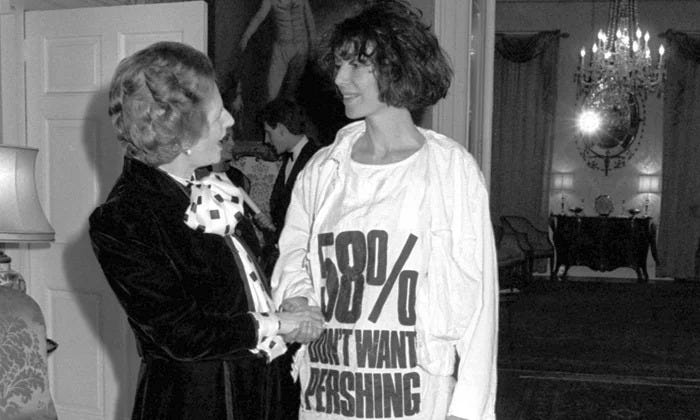
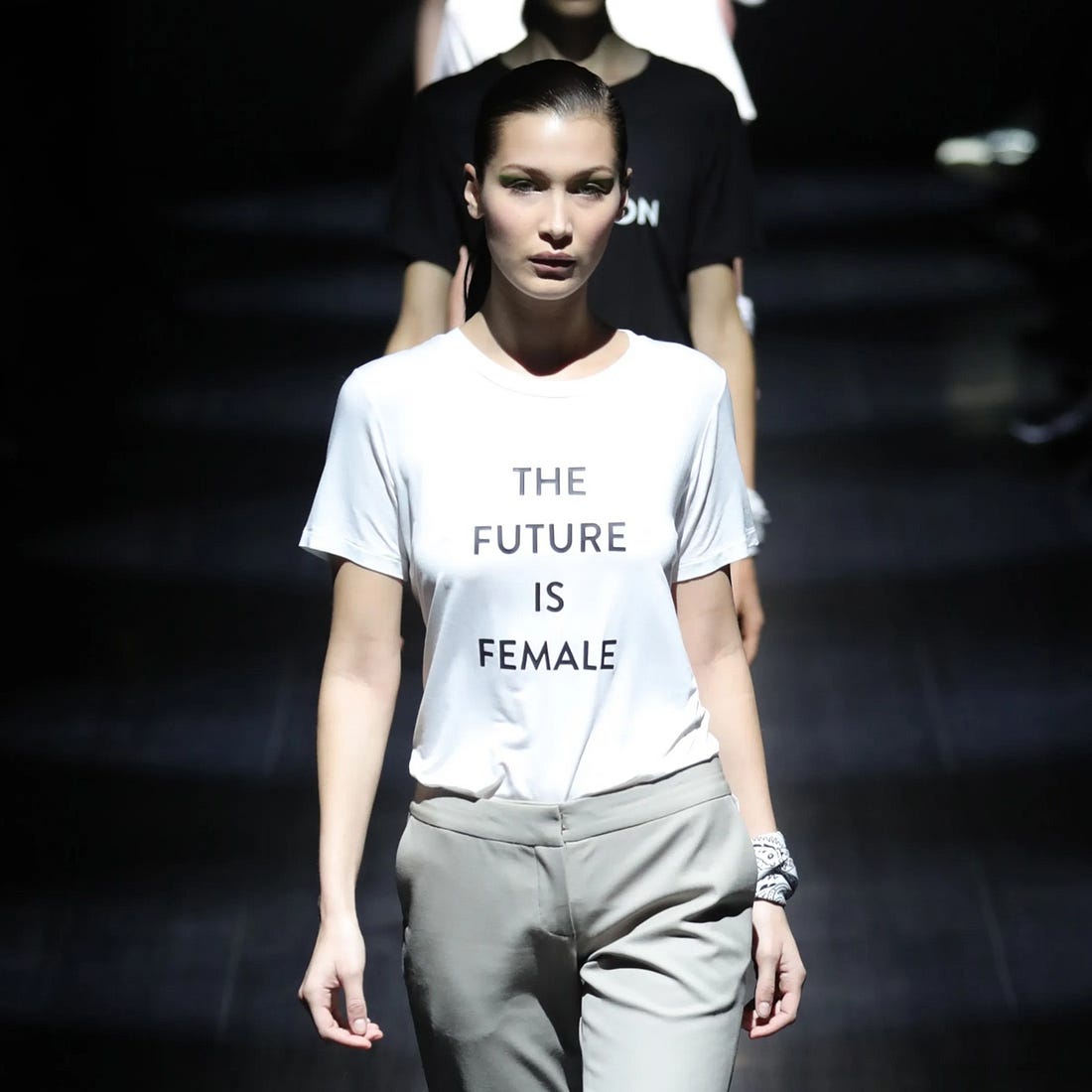
In 1984, she famously met then British Prime Minister Margaret Thatcher wearing a white T-shirt emblazoned with “58% DON’T WANT PERSHING”, protesting the deployment of American nuclear missiles in Britain. The photograph became a defining moment in fashion history, not because of the outfit itself, but because a simple piece of clothing had transformed into a public statement. Hamnett went on to use slogan T-shirts to address issues ranging from nuclear disarmament and environmental concerns to human rights, proving that fashion could reach audiences in a way traditional political campaigns often struggled to do. From feminism to identity: When designers used the runway as a voiceDecades later, American-Nepali designer Prabal Gurung brought a similar spirit of activism to New York Fashion Week. For his Autumn/Winter 2017 collection, models walked the runway wearing slogan T-shirts carrying messages such as “The Future Is Female,” “I Am An Immigrant” and “Nevertheless, She Persisted”.
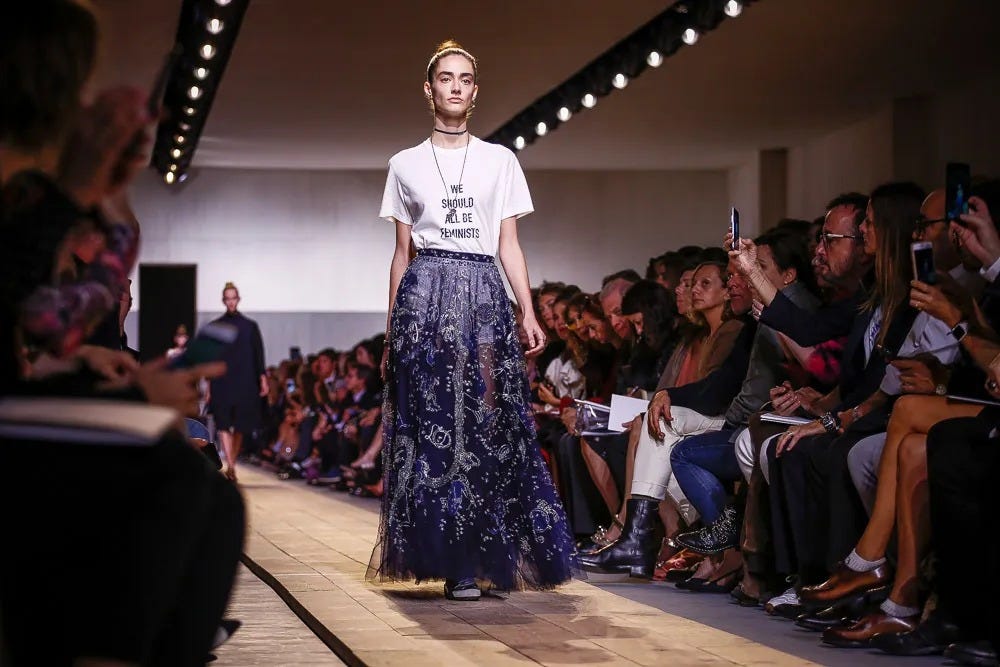
The show came shortly after Donald Trump’s presidential inauguration, at a time when conversations around women’s rights, immigration and identity were dominating public discourse. For Gurung, fashion was never just about aesthetics. “I think fashion is a powerful tool for communication,” he had said, highlighting the ability of designers to use their platforms to start conversations. The same year, Maria Grazia Chiuri made her debut as Dior’s first female creative director with a message that went beyond luxury fashion. Her Spring/Summer 2017 collection featured the now-famous white T-shirt reading “We Should All Be Feminists”, inspired by Nigerian writer Chimamanda Ngozi Adichie’s essay of the same name. The piece became a global fashion moment, turning a feminist message into one of the most recognisable garments of the decade. How fashion blurred the line between politics and protestFew designers have blurred the lines between fashion and activism as consistently as Vivienne Westwood. The British designer used her collections, runway presentations and public appearances to speak about climate change, consumerism and political issues. From carrying protest placards to creating collections inspired by environmental concerns, Westwood believed fashion should question the world around it. Westwood, one of fashion’s most outspoken activists, pushed this boundary with her Autumn/Winter 2019 runway show. Staying true to her punk roots, the designer turned the presentation into a political manifesto, featuring slogans like “Politicians R Criminals / Press R Jokers” and “We sold our soul for CONSUMPTION.” Creatures of Comfort also stood up for immigrant and refugee rights through its runway messaging. The fashion label featured a long-sleeved T-shirt carrying the powerful message “We Are All Human Beings” as part of its collection, turning a simple garment into a statement on compassion and equality. The brand also donated half of the proceeds from the T-shirt’s sales to the National Immigration Law Center and used its social media platforms to amplify conversations around immigration and climate change. A similar debate followed Chanel’s Spring/Summer 2015 show, where designer Karl Lagerfeld transformed the runway into a mock protest, with models carrying placards reading “Fashion Not War” and “Tweed is Better Than Tweet.” From protest marches to fashion weeks, public spaces have always been places where people express their ideas. And the runway, despite its association with glamour, has repeatedly reflected the concerns of its time. As India Couture Week begins in Delhi, the spotlight will naturally be on craftsmanship, designers and couture creations. But with the city also witnessing the ongoing ‘Cockroach Janta Party’ protests, the contrast is hard to ignore, a reminder that expression can take many forms. Sometimes it comes through voices raised on the streets, and sometimes through messages stitched into fabric.
|







0 टिप्पणियाँ: