

Nakba to 'Genocide', how Israel swallowed GazaIsrael's history of wars since 1948 is linked to its formation, regional conflicts, and repeated attacks in Palestine, Lebanon, and beyond.
Israel has spent much of its existence waging wars on countries. The Jewish State was born out of war in 1948, and mobilisation has been a near-permanent part of its 78-year-old history. Over the decades, the country has bombed Palestinians and neighbouring Arab states. Hostilities have continued, spreading from Gaza and Lebanon to Syria, Egypt, and now Iran. Israel was created after centuries of Jewish persecution in Europe, which ended in the Holocaust. The Zionist movement pushed for the “promised land”, and after World War II, the United Nations proposed partitioning British-ruled Palestine into Jewish and Arab states. The Jews accepted the plan, while Arabs and Palestinians rejected it.
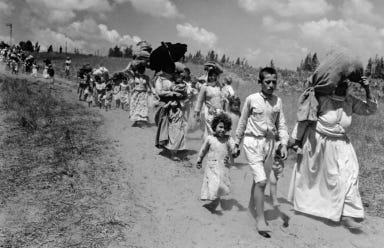
The establishment of the Jewish State on Palestinian land was immediately followed by hostilities with neighbouring Arab states. In the war that followed, lakhs of Palestinians were beaten and forced out of their homes. Hundreds of villages were destroyed or depopulated, and many urban areas came under new Israeli control. The Palestinians refer to this as the Nakba, or catastrophe.
The ‘Nakba’ of 1948Over 15,000 Palestinians were killed in a series of bombings from 1947 to 1949, according to research by the Institute for Middle East Understanding. Many others were abducted and forced to flee. Some accounts allege that authorities ordered the destruction of Palestinian homes to prevent residents from returning. The hostilities displaced ~7.5 lakh Palestinians, and the conflict led to the destruction or depopulation of over 500 villages, according to IMEU data. By the time hostilities ended in 1949, Israel controlled about 78% of Palestine—more than what had been allocated under the UN plan. Jerusalem, a Palestinian city, became known as the capital of Israel.
The 1956 Suez war with EgyptIn 1956, Israel, Britain, and France attacked Egypt after President Gamal Abdel Nasser nationalised the Suez Canal. They withdrew after international pressure forced an end to the war. The 1967 Six-Day warTwo years later, Israel launched a war against Egypt, Jordan and Syria. The crisis escalated when Egypt moved troops into Sinai, expelled UN peacekeepers, and closed the Straits of Tiran, restricting Israeli shipping. Israel responded with a surprise air strike on June 5. It destroyed most of the Egyptian air force. This gave Israel early control of the skies and helped shape the outcome of the war. By the end of the Six-Day war, Israel had taken control of the West Bank (including East Jerusalem), the Gaza Strip, the Sinai Peninsula, and the Golan Heights. Roughly one million Palestinians came under Israeli control, as per an Al Jazeera report. Sinai was later returned to Egypt under a peace treaty, but Israel retained control of Gaza and the West Bank, including East Jerusalem, which it later annexed. Over 11,000 people died in Egypt, Jordan lost around 6,000, and Syria about 1,000, while Israel saw 776 soldiers dead, according to the Naval History and Heritage Command. The Arab armies also suffered major losses of weapons, equipment, and aircraft, which left them considerably weak after the war.
The 1973 Yom Kippur WarAlso called the October War, it began on October 6, 1973, when Egypt and Syria attacked Israel on Yom Kippur, a holy day in Judaism. The war aimed to regain land lost in 1967. They made early gains, but Israel soon pushed back with US support, while the Soviet Union backed Egypt and Syria. The war ended after a UN-brokered ceasefire on October 26, 1973. Egypt and Israel eventually signed a peace treaty in 1979. The war killed over 2,600 Israelis and about 8,500 Arabs, as per research by EBSCO. The 1982 Israeli seize of BeirutIn 1982, Israel invaded Lebanon to target the Palestine Liberation Organization (PLO). Troops reached Beirut and laid siege to the city. After weeks of heavy bombardment, the PLO, led by Yasir Arafat, agreed to evacuate Beirut in August 1982 and moved its headquarters to Tunis, the BBC reported. The war saw the Sabra and Shatila massacre, where over 3,000 Palestinian civilians were killed by Israel’s proxy militia, the Phalange, as per IMEU records. Over 19,000 people were killed while Israel lost about 376 soldiers, a report in the Interactive Encyclopedia of the Palestine Question says. This war gave rise to Hezbollah, an Iran-backed militant resistant group.
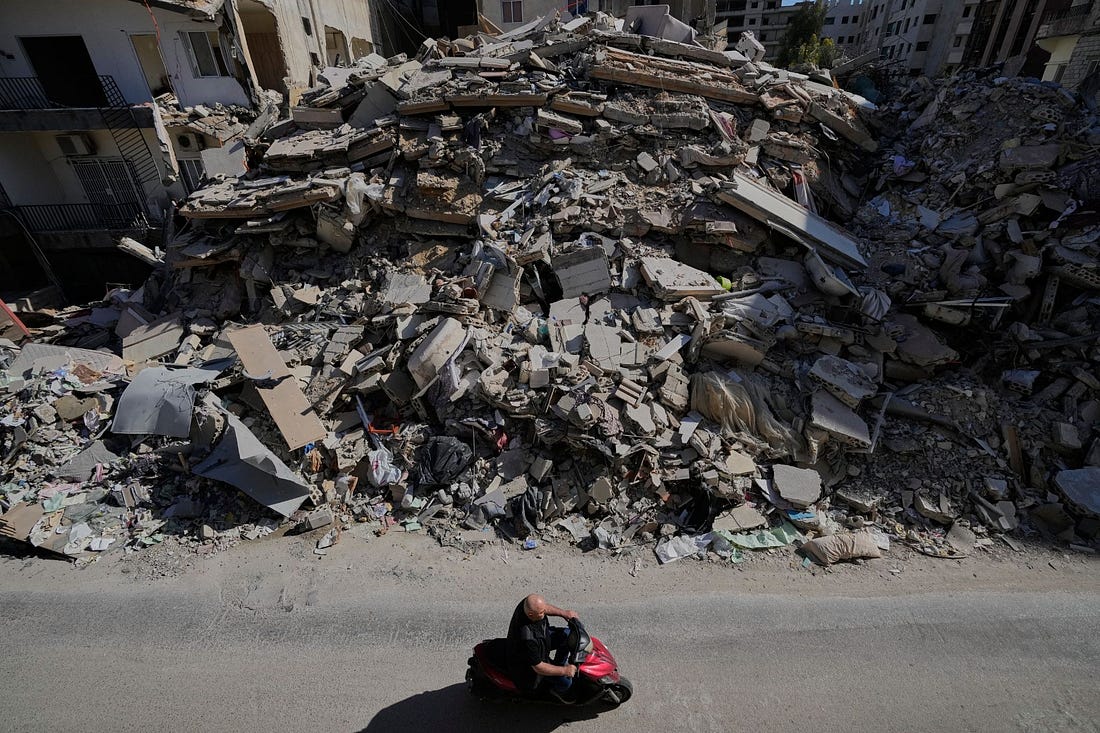
The 2006 Israeli war on LebanonThe 2006 Second Lebanon War lasted 34 days, from July 12 to August 14, after Hezbollah launched a cross-border attack into Israel. The Jewish State responded immediately with large-scale bombardment, saying its goals were to rescue the soldiers and stop rocket attacks from Hezbollah. During the fighting, at least 20 Israeli tanks were destroyed and 121 Israeli soldiers were killed, Al Jazeera reported. A government-appointed inquiry, the Winograd Commission, later reviewed Israel’s conduct in the war. It concluded that Israel had “initiated a long war, which ended without its clear military victory”. “All in all, the [Israeli military] failed, especially because of the conduct of the high command and the ground forces, to provide an effective military response to the challenge posed to it by the war in Lebanon,” the Commission said. About 1,300 people, mostly civilians, were killed in Lebanon, per UN estimates. Israel’s war on Lebanon 2026Since March 2026, Israel has continued to bomb Lebanon citing Hezbollah’s links to Iran. The hostilities escalated alongside the ongoing war on Gaza and the US-Israeli actions against Iran. Israel launched airstrikes and ground operations in southern Lebanon and other areas, while Hezbollah fired rockets and drones into northern Israel. More than 2,500 people have been killed and over one million displaced in Lebanon, according to the UN. Despite a US-brokered ceasefire, Israeli strikes have continued. Israel’s continued wars on GazaThe late 20th century saw Palestinian uprisings, or Intifadas. The First Intifada began in 1987 as a mass revolt against Israeli occupation. It saw mass protests, riots and clashes. Several people died. After peace efforts collapsed, the Second Intifada erupted in 2000 amid rising tensions. Several people died again. In 2005, Israel withdrew settlers and troops from Gaza but retained control over its airspace, sea access, and most borders. Hamas won elections in 2006 and took full control of Gaza in 2007, after which Israel and Egypt imposed a blockade, restricting movement of people and goods.
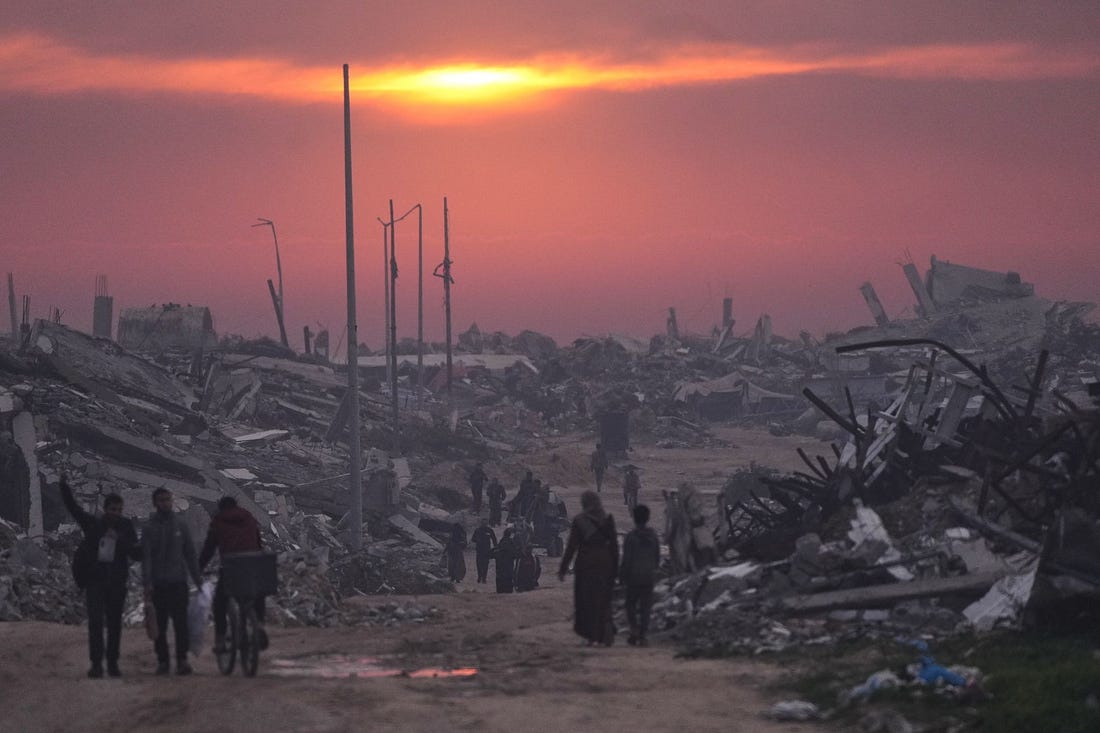
Wars on GazaOperation Cast Lead (2008): Israel launched ‘Operation Cast Lead’ after Hamas allegedly launched rockets from Gaza into the state. The Jewish government said the attacks threatened its civilians, while Hamas linked the violence to the ongoing blockade. Israel responded in December 2008 with heavy airstrikes across Gaza. They later sent ground forces, leading to violence in densely populated areas. The 22-day war, ending in January 2009, killed over 1,400 Palestinians, mostly civilians, and about 13 Israelis, according to Amnesty International. Operation Pillar of Defence (2012): Four years later, the assassination of Hamas military chief Ahmed Jabari led to the next war, ‘Operation Pillar of Defence’. Israeli Prime Minister Benjamin Netanyahu said at the time, “Today we sent a clear message to Hamas and other terrorist organisations,” claiming that Israel would not tolerate rocket fire. The military wing of Hamas responded, “Israel has opened the gates of hell on itself,” according to a report in Al Jazeera. The eight-day war killed 171 Palestinians, including over 100 civilians, and six Israelis, the outlet reported. Operation Protective Edge (2014): In 2013, the US, Israel, and the Palestinian Authority revived peace talks, but they collapsed by 2014. Fatah (a Palestinian political party) then reconciled with Hamas and formed a unity government. Tensions escalated and Israel accused Hamas of the June 12 kidnapping of three of their teenagers in the West Bank. Hamas “would pay”, they said. The Netanyahu government launched ‘Operation Protective Edge’ on July 8, 2014, with heavy airstrikes on Gaza and expanded it with a ground invasion on July 17. The 50-day war killed 2,251 Palestinians, including 1,462 civilians, and injured over 10,000, according to IMEU. The 2021 war on Gaza: The 2021 war, also known as the 11-day escalation, took place from May 10 to May 21. It began after tensions in East Jerusalem, especially clashes at the Al-Aqsa Mosque compound and disputes over possible evictions of Palestinian families in Sheikh Jarrah. After Hamas issued an ultimatum and launched rockets from Gaza, Israel responded with heavy and continued airstrikes on Gaza. The fighting quickly escalated. The war ended with an Egypt-brokered ceasefire. Around 260 Palestinians were killed and more than 1,900 injured, while 13 Israelis were killed and several others wounded, as per UN estimates. The Israeli ‘genocide’ on Gaza (2023-): The ongoing war, triggered by a Hamas attack on Israel on October 7, 2023, has been the deadliest in the narrow strip. In response, Israel began a siege on Gaza, and launched continuous airstrikes across civilian areas to target what it said were Hamas fighters. Strikes have repeatedly hit areas like Khan Younis and Rafah. The justification was the stated mantra of destroying Hamas.
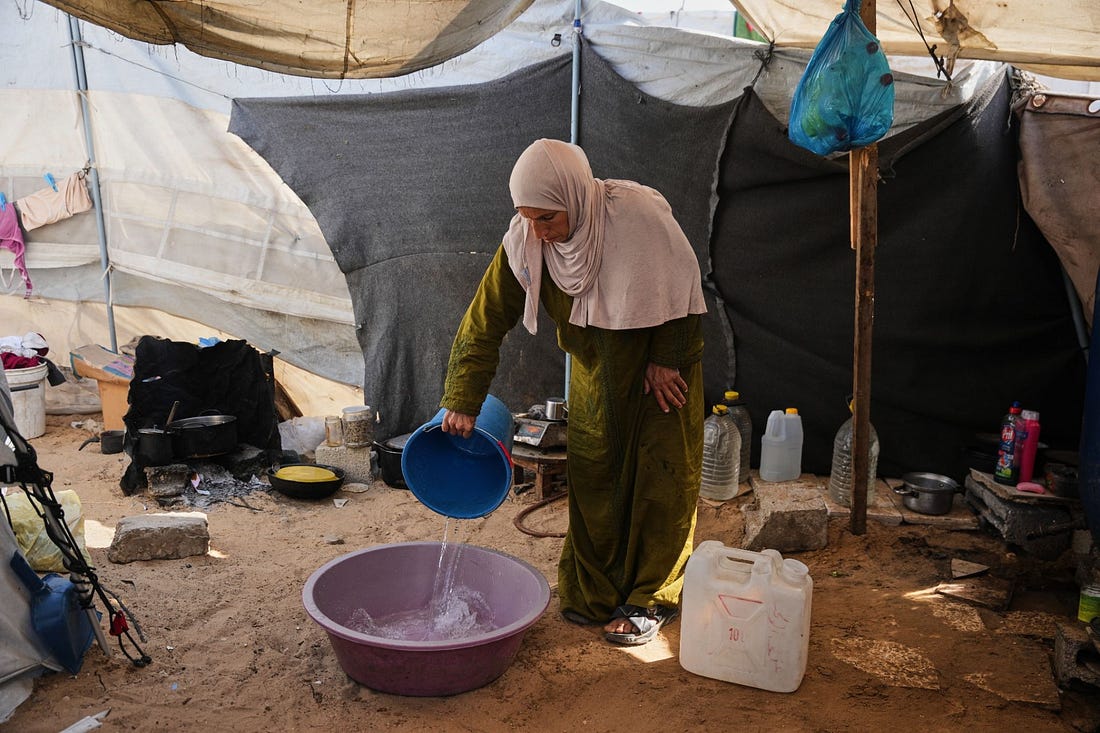
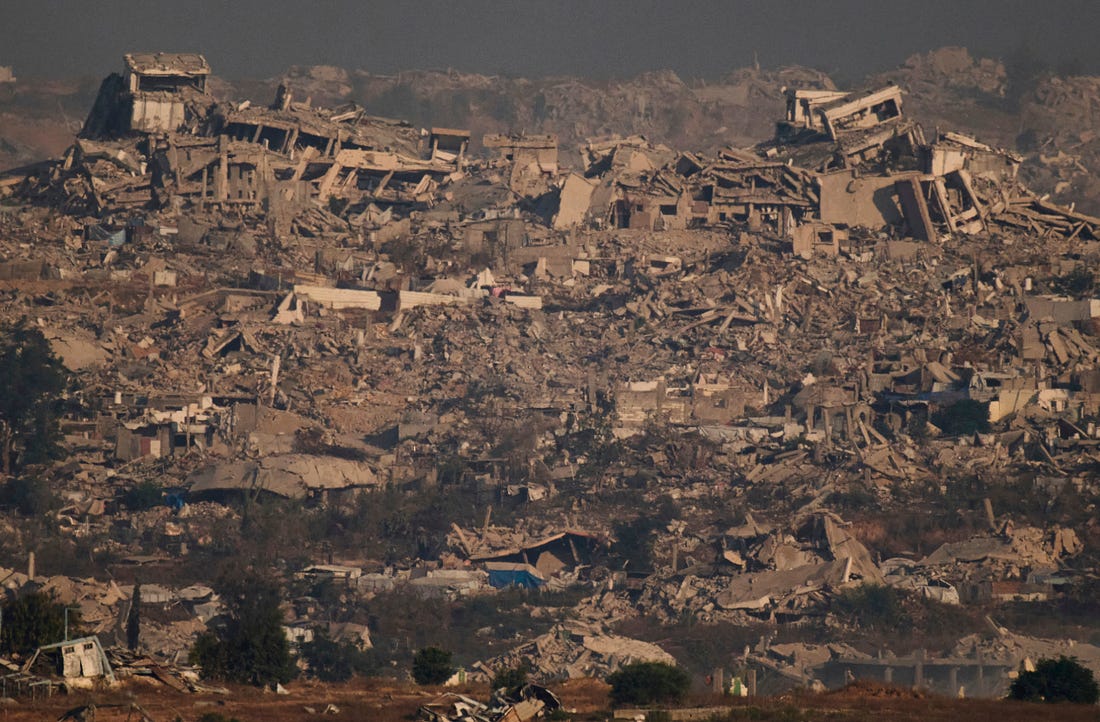
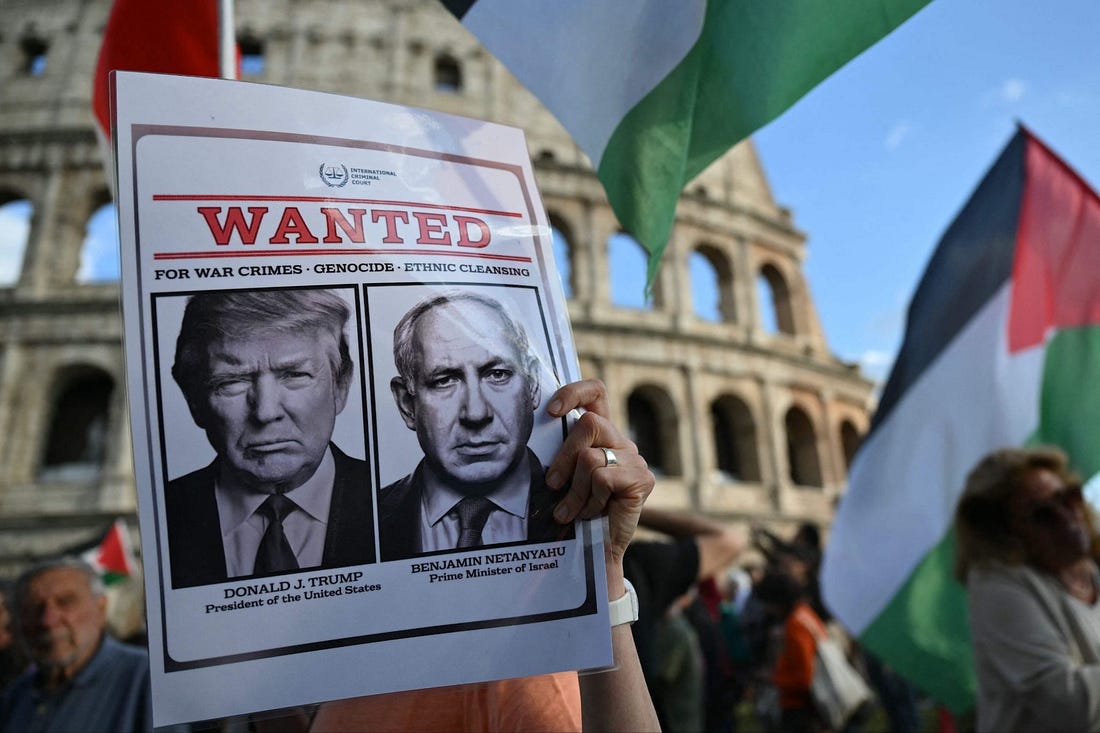
Since 2023, Israel has killed over 78,000 Palestinians, including women and babies, as per the Gaza health ministry. The United Nations and aid groups have reported large-scale displacement across the strip. Israeli strikes also destroyed evacuation zones across Gaza. An aid blockade has severely restricted food, water, and fuel, with aid groups accusing Israel of obstruction. Israel blames Hamas interference. People wait for flour that does not arrive while the infrastructure of life, hospitals, schools, prayer houses, is levelled. The world has watched this play out in real-time for over 900 days. In 2025, a UN inquiry called the war on Gaza a “genocide”, a charge Israel rejects. The International Criminal Court has issued an arrest warrant for Benjamin Netanyahu over “war crimes and crimes against humanity”. Israel’s wars on IranThe 12-Day war: On June 13, 2025, Israel struck Iran, citing its nuclear and missile programme as an existential threat. Iran retaliated with missiles and drones. The US got directly involved on June 22 when they struck major Iranian nuclear facilities. US officials later claimed the attacks “severely degraded” Tehran’s nuclear programme and set it back by “years”.
The US-Israeli war on Iran: Eight months later, the US and Israel bombed Iran again. They cited nuclear capabilities…again. Iran responded with large-scale missile and drone attacks on Israel, US bases in West Asia, and allied Gulf states, while also blocking global shipping through the Strait of Hormuz. Nearly 4,000 people have been killed in US-Israeli strikes on Iran since February, according to their health ministry. An early strike on an elementary school in Minab killed around 170 school girls, according to state media. More than 26,500 people have been injured, the ministry reports. A US-Iran ceasefire, announced in April, remains on shaky ground. Thanks for reading! Subscribe for free to receive new posts and support my work.
|









0 टिप्पणियाँ: