

Do you have a fire extinguisher inside your apartment? Why hallway safety systems alone may not be enoughWhen a fire breaks out on the 20th floor, help may take time to arrive. Your first line of defence is often your mindfulness, the basic fire-safety measures and quick fixes you have inside your flat
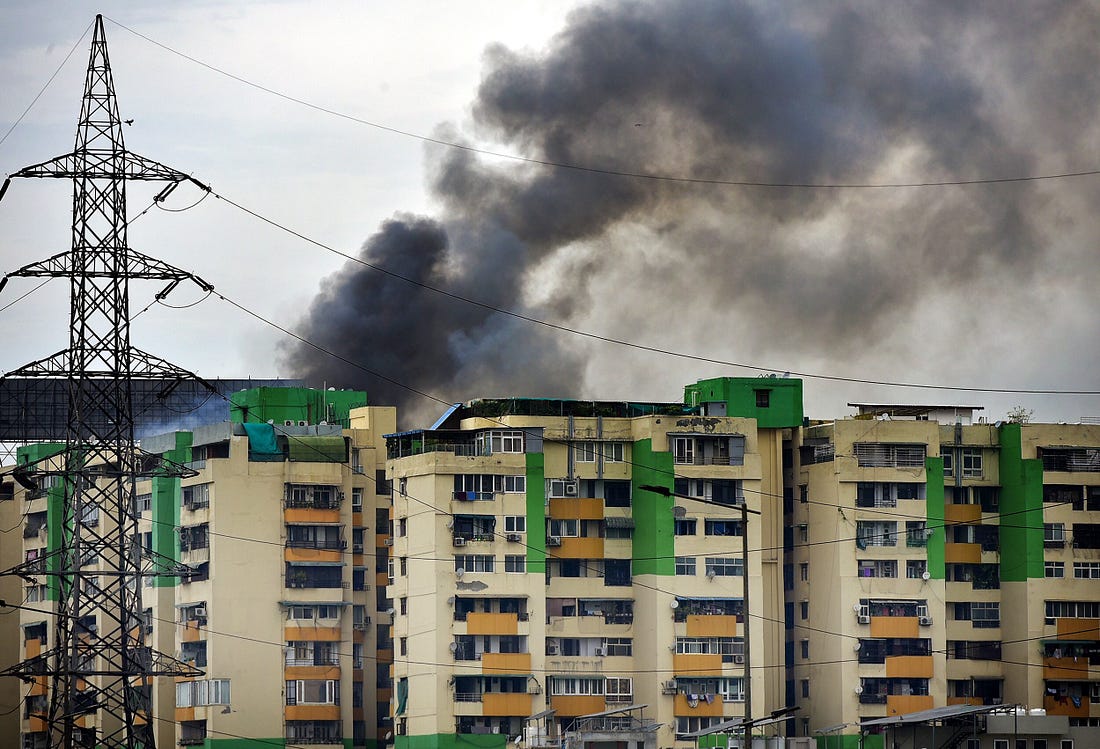
Do you have a fire extinguisher mounted in an easily accessible area in your apartment? Many residents living in high-rises often do not. After all, the builder usually installs one in the hallway as part of the building’s fire safety system. For most homeowners, that feels sufficient until a fire breaks out inside the house itself. As Indian cities grow vertically, recent fires in Ghaziabad, Gurugram and East Delhi are forcing residents to rethink what fire preparedness actually means in a high-rise apartment. Experts say one of the biggest misconceptions among homeowners is assuming that fire safety is entirely the builder’s or society’s responsibility. In reality, the first few minutes of a fire often depend on what residents inside the apartment can do themselves. The summer months make the risks worse. Air conditioners run for long hours, power consumption surges and electrical systems face enormous pressure. A short circuit in an AC unit, an overloaded extension board or poorly maintained wiring can quickly escalate into a major blaze, particularly in densely populated towers. In cities such as Noida and Ghaziabad, where residential towers routinely rise to 20, 30, or more floors, firefighting challenges become even more severe. Fire department hydraulic platforms can only reach limited heights, meaning rescue operations above certain floors depend heavily on the building’s internal systems, sprinklers, smoke detectors, hydrants and evacuation staircases. That is why experts increasingly advise residents to treat fire safety as something that starts inside the apartment, not outside.
Why an in-home fire extinguisher mattersHallway extinguishers may not always be immediately accessible during an emergency. Smoke, panic or electrical fires near the entrance can make it difficult to step outside safely. Having a compact extinguisher inside the apartment, especially in the kitchen or near electrical panels, can help contain a small fire before it spreads. Just as important is knowing how to use it. Many residents have never used a fire extinguisher, even though they have lived in high-rises for years. RWAs and societies are now being encouraged to conduct periodic fire drills and basic training sessions before the peak summer season.
Your AC needs maintenance, not just servicingAir conditioners are among the leading causes of summer apartment fires. Experts recommend regular servicing, checking wiring connections and avoiding continuous overuse during heatwaves. Maintaining indoor temperatures around 24°C can also reduce stress on electrical systems. Housing societies, meanwhile, must ensure that transformers, wiring infrastructure and backup power systems can handle seasonal spikes in demand. Staircases can save livesOne lesson repeated after nearly every high-rise fire is this: never use the lift during a fire emergency. Elevators can malfunction, stop between floors or fill with smoke. Pressurised staircases are designed to provide safer evacuation routes, but in many buildings they are partially blocked by storage items, furniture or cycles. Residents and RWAs should ensure these escape routes remain completely clear at all times. Don’t damage or disable smoke detectors during renovation workSmoke detectors and sprinkler systems are easy to ignore because they sit quietly in the background. But experts say renovation work frequently damages detectors or disconnects alarm systems without residents realising it. In towers above 30 metres, smoke detectors inside apartments are mandatory and linked to central systems. Residents should periodically test alarms and ensure sprinklers remain functional after any interior modifications. Fire safety is an urban issueThe larger concern is that the firefighting infrastructure has not kept pace with rapid vertical growth. Thousands of high-rise apartments have come up across NCR, Bengaluru, Mumbai and Hyderabad over the past decade, but emergency response systems remain stretched. Experts say the conversation around fire safety needs to move beyond compliance certificates and builder obligations. In high-rise living, preparedness increasingly depends on how seriously residents themselves treat basic precautions, from servicing appliances to keeping extinguishers at home. Because when a fire breaks out on the 20th floor, help may take time to arrive. Your first line of defence is often how mindful you are, and what basic fire-safety measures and quick fixes you have right inside your apartment. Thanks for reading! Subscribe for free to receive new posts and support my work.
|







0 टिप्पणियाँ: