

Confessions of a ChokepointShips still pass through the Strait of Hormuz, but every crossing is now a calculation.
Hello! Welcome to the first edition of HT’s Conflict Compass newsletter—your weekly guide to a world that seems to be shifting faster than the headlines can keep up. From simmering conflicts to sudden escalations, from power plays in distant waters to decisions that ripple into everyday life, we write on stuff that matters This is where we connect the dots—between wars and markets, diplomacy and disruption, strategy and consequence. If you’re trying to make sense of the noise, the narratives, and the stakes, you’re in the right place. If you like what you read, subscribe to get this in your inbox every week.
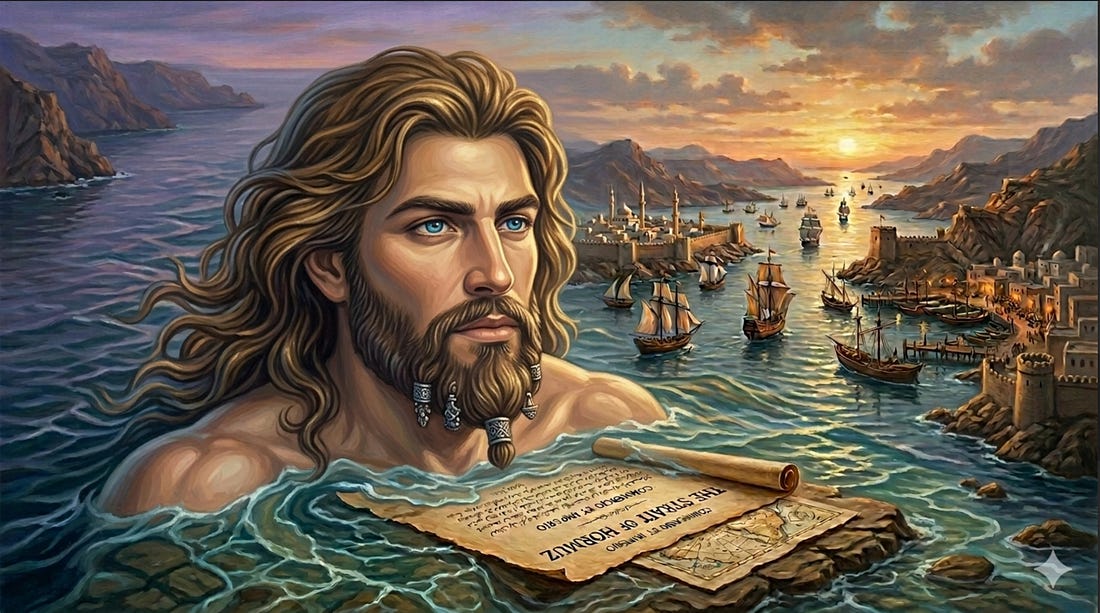
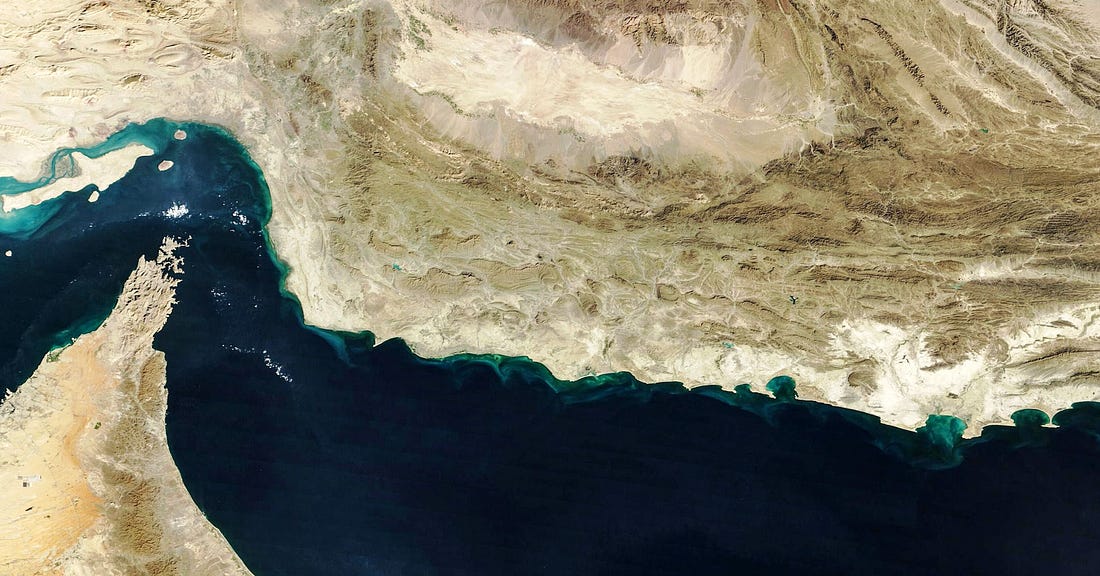
“It was a calm Monday morning—the kind of calm that comes with routine, knowing exactly how the day will unfold. The oil vessels were due at first light, cutting through my lanes in slow, disciplined lines. I have carried them for decades, felt their weight, their purpose. But that morning, I noticed that something was wrong. The horizon stayed empty longer than it should have. The hum of engines did not arrive on time. And when the first ship finally appeared, it did not move with confidence—it moved with caution. That is when I understood: nothing had officially changed, and yet everything had.” I am the Strait of Hormuz—a narrow stretch of water that has somehow come to carry the anxieties of an entire planet. You measure me in kilometres. Thirty-three at my tightest. Manageable, you would think. Contained.
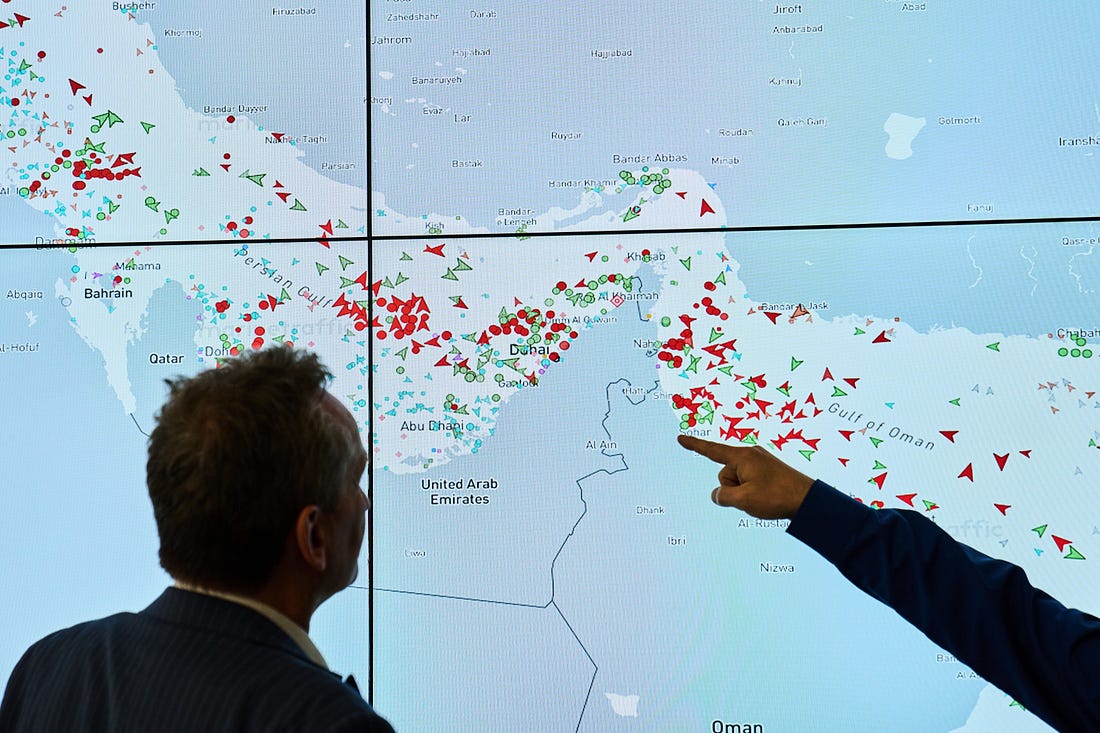
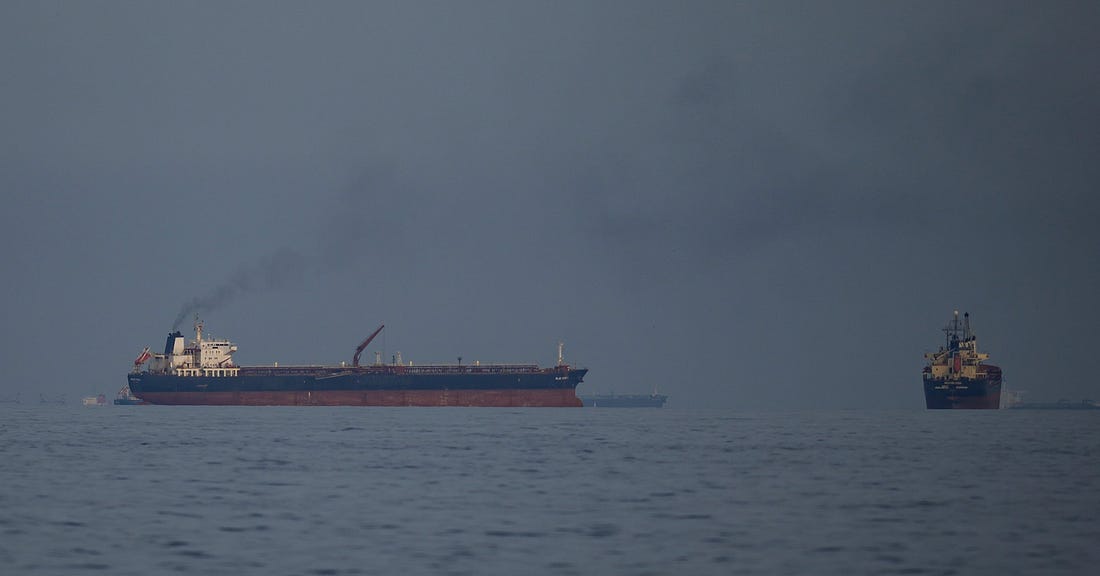
But what flows through me is not small. Nearly a fourth of the world’s traded oil moves through my waters every single day—crude from Saudi Arabia, Iraq, United Arab Emirates, and others, alongside massive LNG cargoes bound for Asia and Europe. In recent days, even a marginal slowdown has tightened global supply, with daily flows estimated to have dipped as ships delay entry, queue outside, or reroute entirely. I was never meant to be the story. I was meant to be the route. That has changed. My other friends in nature told me about a war unfolding between the United States and Iran. They said Donald Trump does not want Iran to acquire nuclear weapons—and that this time, pressure is no longer just economic, but physical. But how did I get involved? Ships have not stopped coming. But they have stopped trusting. There is a difference. The United States Navy moves through me now with a different posture. Not transit, but presence. Not passage, but intent. Their ships linger longer, their patterns more deliberate. The word “blockade” has not been formally etched into the waters—but it hangs there, shaping decisions before it is ever enforced.
Across from them, Iran watches in equal measure. It has always understood me—not just as geography, but as leverage. It knows how narrow I am, how dependent the world is on my openness, how quickly disruption here becomes global consequence. Iranian officials insist that if flows are disrupted, it is because of American actions—not theirs—even as they warn that escalation could make passage impossible. They claim that they have blocked me, and not the US. Between these forces, I exist—not neutral, but necessary. 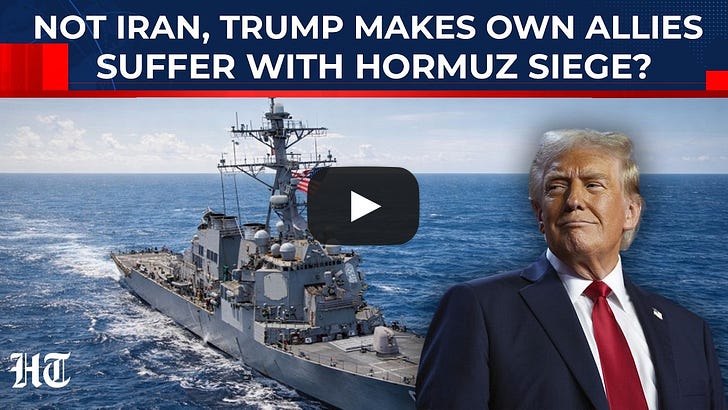
The impactOil prices have already surged past $100 a barrel, with intraday spikes reflecting panic buying and thin liquidity. Benchmark crude has flirted with levels closer to $120, while some spot cargoes in Asia are being negotiated at even higher effective rates due to freight, insurance, and delay costs stacking up. This is not just about price, it is about availability. Cargoes are delayed. Insurance costs are rising sharply, with war-risk premiums multiplying within days. Tankers are idling or rerouting via longer African routes. Supply chains—already fragile—are beginning to stretch in real time. Nearly 20% of global oil and LNG flows depend on me. When even a fraction of that slows, the impact is immediate and global.
Across parts of Africa, fuel prices have surged 30%-70%, triggering shortages and rationing in some regions. In Asia, buyers are scrambling for alternatives, increasingly turning to US crude exports and strategic reserves, even as shipping timelines extend and costs rise. This is how a modern energy crisis unfolds. Not with a single rupture. But with a thousand small hesitations. Blockade, brinkmanship, and blurred linesWhat you call a blockade, I experience as pressure applied unevenly. The US has moved beyond sanctions into physical enforcement—deploying warships, issuing warnings, and making clear that vessels trading with Iran risk interception or worse. More than two dozen warships, thousands of personnel, and explicit threats of force now shape movement through and around me. This is no longer economic coercion alone. It is kinetic signalling. The war itself—now weeks old—has already reshaped the region around me. Airstrikes, troop deployments, and naval build-ups have created a layered conflict where the sea is as critical as the land.
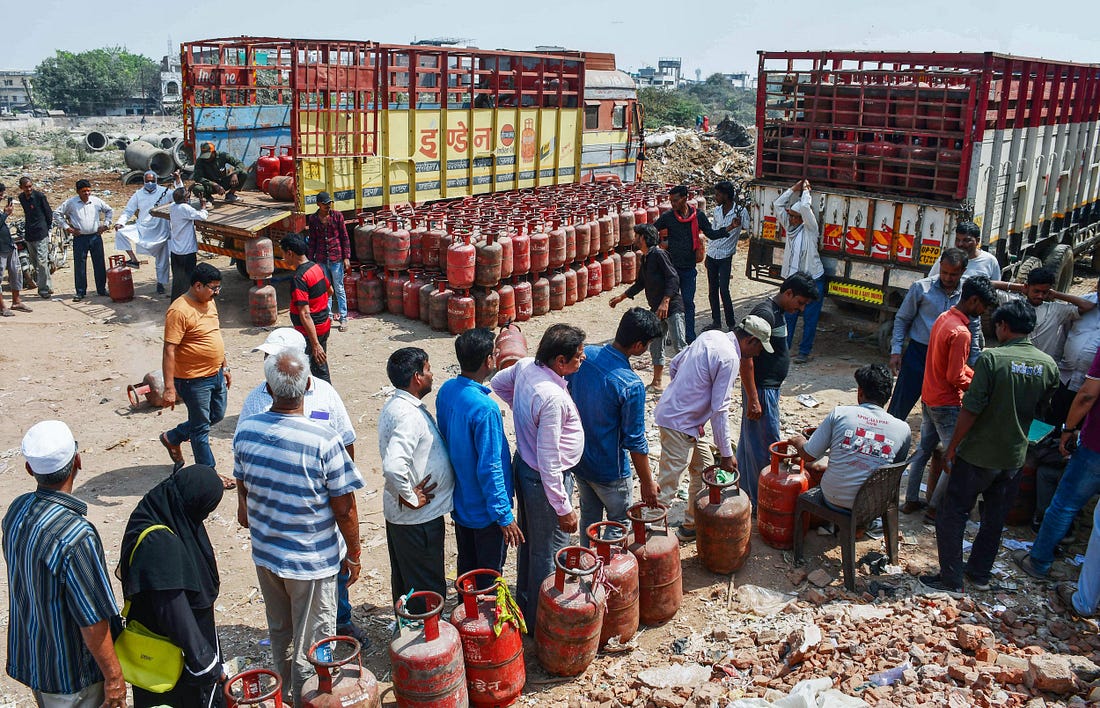
For Iran, the response is calibrated but clear. It can threaten retaliation, target ships, or simply allow uncertainty to do the work. Iranian officials have already warned of attacks on naval assets if pressure escalates further. Meanwhile, the blockade is not airtight. Sanctioned tankers—some linked to China—have still managed to pass through, highlighting both the limits of enforcement and the stakes of evasion. This is not a clean war. It is a contested corridor. And I am the corridor. India: The first-order impactMore than 80% of India’s crude is imported, much of it passing through me. When I tighten, the consequences are immediate—not strategic, but economic. Oil above $100 is manageable. Oil sustained at $120–$140 is not. It feeds directly into inflation—transport, manufacturing, food. It widens the current account deficit. It pressures the rupee. It complicates monetary policy. I heard about long queues in several Indian towns to get an LPG cylinder. Reason: A lot of that fuel meant to reach there is unable to pass through me.
But the government there seems to have found limited short-term alternatives. They have diversified buying oil from Russia, the US, elsewhere. But geography still matters. Shipping routes still matter. I still matter. And when ships hesitate here, the ripple travels quickly to Indian households, Indian businesses, Indian policy rooms. The illusion of ‘open’You will hear that I am still open. Technically, that is true. Ships are passing. Oil is flowing. But openness is not a binary condition. It is a spectrum. Right now, I exist in a narrowed state—not by decree, but by doubt. Insurance premiums are rising. Shipping times are increasing. Supply chains are fragmenting. Markets are volatile. And perhaps most importantly, decisions are no longer automatic. Every ship that approaches me now carries a calculation: Is the risk worth it? That question did not exist in the same way a week ago. Now, it defines everything. Post ScriptBy now, you must have realised that I am sentimental at heart. I tried expressing my views through prose, but poetry is where my heart really lies. So here’s a little poem I wrote—about myself. I have seen conflict. I know its sound, This is not that. Not yet the peak, The pause Where enforcement stands Where threats gather This is the hour of miscalculation. A ship reads a warning wrong. A patrol answers too quickly. A gesture sharpens into an incident. And suddenly, “I was calm on a Monday morning…” I remember that calm It is gone now. Not shattered. Replaced by something quieter: I still carry the world’s oil. Barrel by barrel, But beneath it, I am the Strait of Hormuz. And the world is learning, A truth it cannot price in fast enough: I only need to make you wonder Thanks for reading! Subscribe for free to receive new posts and support my work.
|






0 टिप्पणियाँ: