
The Iran War and Defiant WomenWhat is the significance of International Women’s Day when there’s a war going on in West Asia? For answers, we turn to present-day Iranian filmmakers as well as 19th century women bicycle riders.
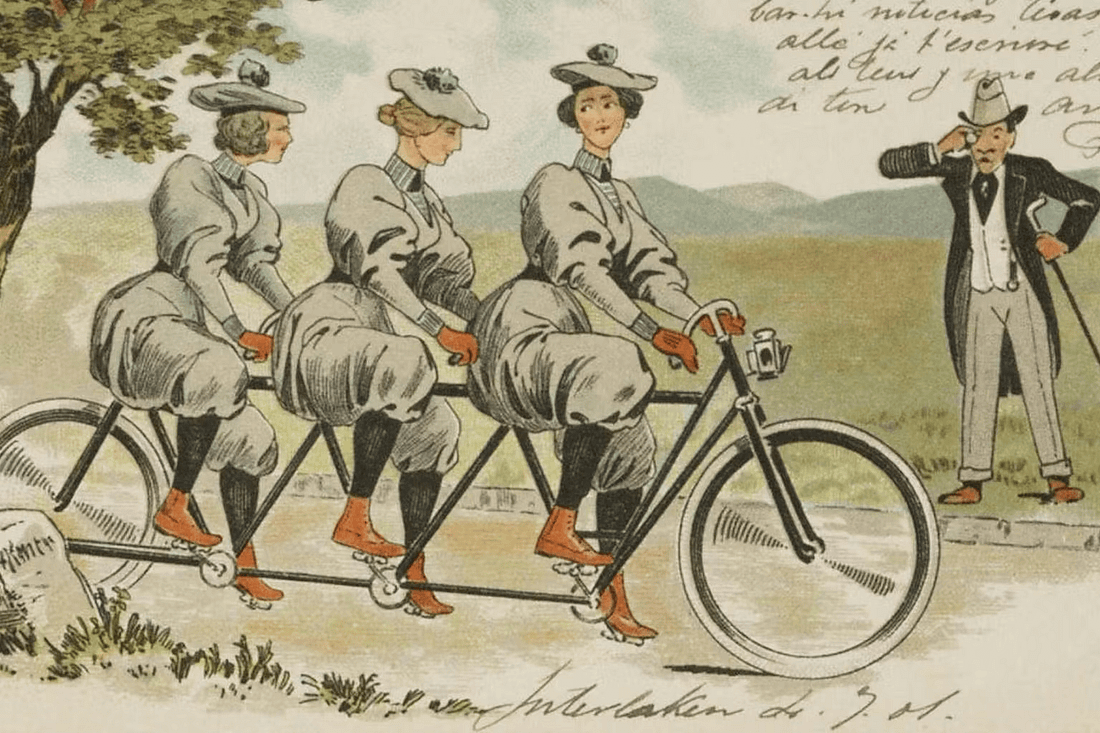
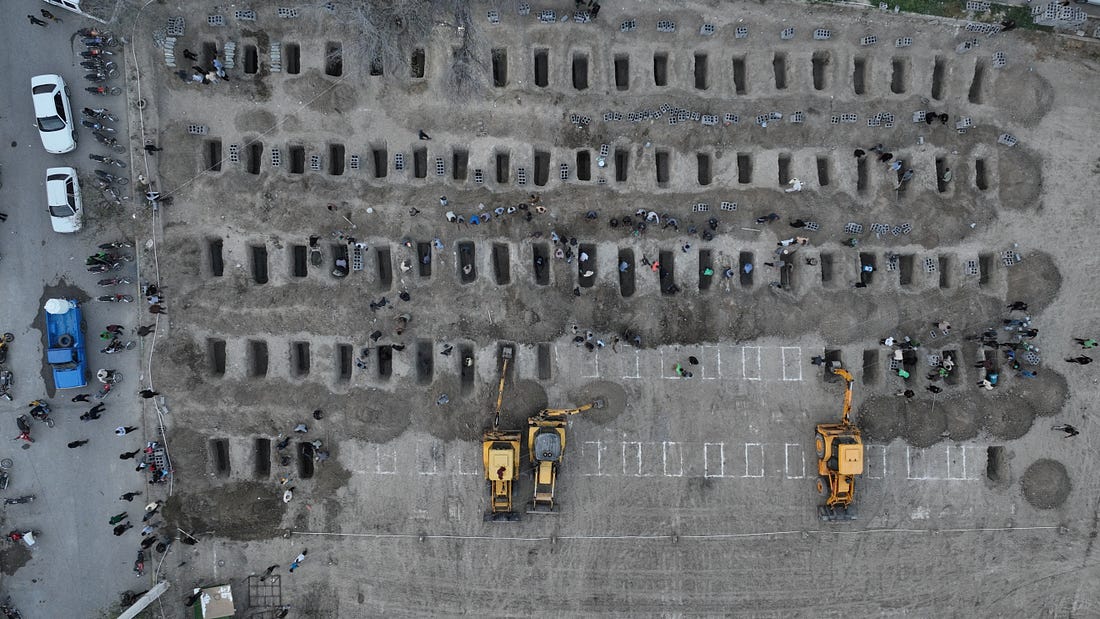
In the mid-1880s England, a group of male doctors pulled off a historic con. They published papers about a condition called “bicycle face” claiming that “over-exertion, the upright position on the wheel, and the unconscious effort to maintain one’s balance tended to produce a wearied and exhausted “bicycle face”. The Literary Digest of 1895, which carried a piece about this peculiar condition identified by “English doctors”, quoted extensively from articles published across the Atlantic, such as the Springfield Republican (a weekly rural American newspaper of Massachusetts) that delved on the particulars of such a face: “usually flushed, sometimes pale, often with lips more or less drawn, and the beginning of dark shadows under the eyes, and always with an expression of weariness”. Though Dr. Sarah Hackett Stevenson, the first woman to join the American Medical Association and author of The Physiology of Women (1882), pooh-poohed such claims, medical papers and male-run newsrooms found women, girls and middle-aged men, in particular, at great risk. Despite all this hysteria, there was no stopping women from riding their wheels. In her immensely readable 2011 book Wheels of Change, historian Sue Macy writes about how the bicycle revolutionised the way women moved and looked: they became more mobile, less chaperoned, and wore clothes that made it easier to ride a bike. (The Omaha World-Herald in April 1894 even ran a piece about this with the headline Women Who Wear Bloomers. To be fair, the report did say that men would “have to get used to it”.) I began reading Macy’s book after a possible American airstrike hit an elementary girl’s school in Iran’s Minab region on 28 February, killing 175, which led me to think about the importance of International Women’s Day in wartime. Will any of the marches that take place this year on 8 March mourn the deaths of these young girls, who, contrary to dominant narratives about the Islamic regime in Iran, made their merry way to school that fateful morning and died within hours of entering its gates?
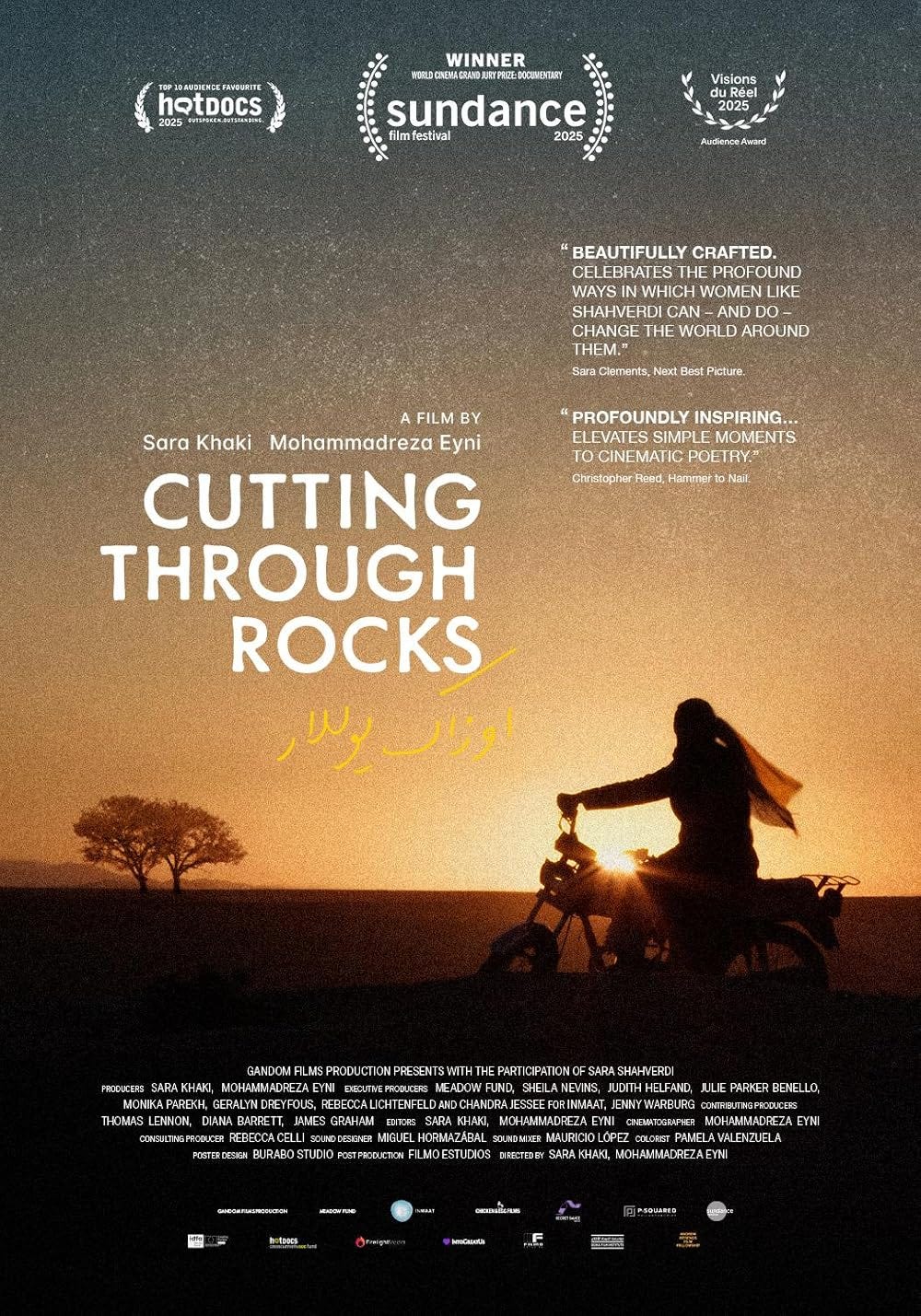
As I went down the rabbit hole of the origins of International Women’s Day—first celebrated in 1909, largely driven by working women in the US and Europe who protested for equal pay, better working hours, and equal voting rights, and later instituted by the United Nations in 1975—it was a flyaway comment about dress reform that led me to Macy’s Wheels of Change. The bicycle, it turns out, engendered something called the “rational dress”, which reduced the weight of their undergarments to a “mere” seven pounds (roughly three kilos). I doubt if any studies were conducted that linked the "bicycle face" of early women riders to the weight of their petticoats and corsets. As it turned out, Macy’s central argument around women’s mobility echoes across a wide chasm of region and genre. A documentary film by Iranian couple Sara Khaki and Mohammadreza Eyni, Cutting Through Rocks, is in the running for Best Documentary Film in the 98th Academy Awards. We’ll get to know the results on 15 March, but the subject of the film, once again, turns our expectation of Iran’s social fabric on its head. The central character of the film is Sara Shahverdi, who becomes the first elected councilwoman in a remote Iranian village, and wishes to accomplish two things—one, to halt child marriage, and two, to teach teenage girls how to ride motorcycles. She does both. The film won the World Cinema Documentary Grand Jury Prize at last year’s Sundance film festival, and has travelled across many festivals since then, garnering praise not just for the filmmakers—the husband-wife duo spent eight years with the protagonist, making this documentary—but also for the motorcycle-riding council woman, who faces all accusations and challenges that come her way with grit and determination. Sample this scene.
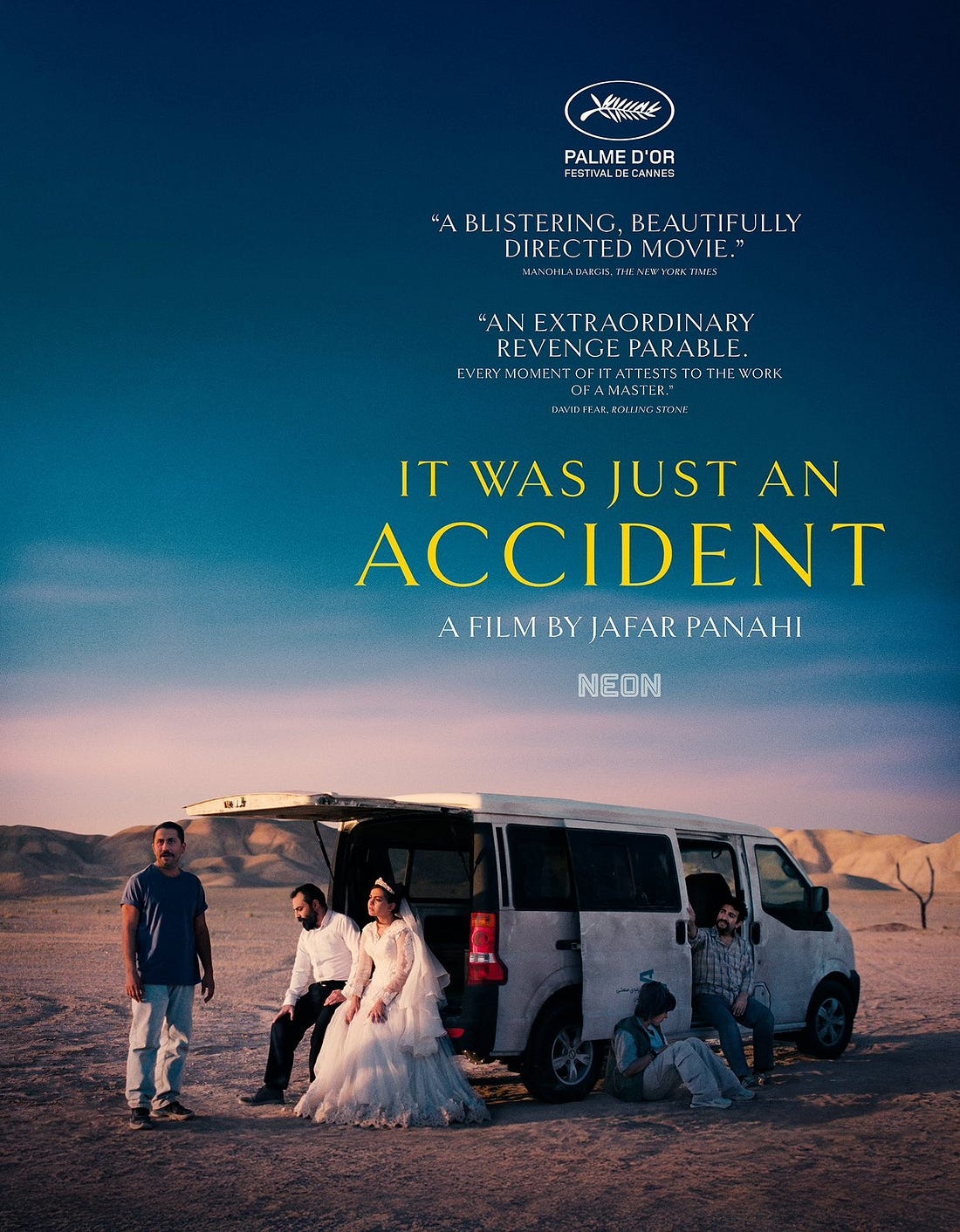
In this context, one can only imagine what opposition she would have faced with her scheme of teaching young girls how to ride a motorcycle. Yet, the fact Sara Shahverdi makes it to the council, comes up with innovative ways to bring parity to the girls and women in her village, puts paid to our popular conception of Iran’s women as agency-less victims of their religious regime. In fact, another film by Iranian filmmaker Jafar Panahi, It Was Just An Accident, is in the running for Best International Film at this year’s Oscars. Shot in secret and released last year, it won the Palme D’Or at the Cannes last May. Though fiction, it draws straight from Panahi’s experience as a prisoner in Iran’s Evin Prison, where he spent seven months in 2023. The film shows a group of former prisoners banding together to seek justice for their incarceration, by kidnapping a man who may or may not have been a guard in the prison. Panahi was first arrested in 2010 for propaganda against the state, and banned by the Iranian government from making films. In 2012, he shot This is Not a Film, partly on his iPhone and in collaboration with Mojtaba Mirtahmasb (co-credited as director), while he was placed under house arrest. The film was smuggled out of Iran and shown at Cannes and other film festivals. Nearly a decade later, he was put in prison again for asking questions about other detained filmmakers. Upon his release, he shot It Was Just An Accident covertly, without submitting it to the authorities even though the long-standing ban on his travel or making films, was no longer applicable. Covert filming seems to be a feature of a thriving underground creative scene in Tehran, Ranjita Ganesan wrote for Hindustan Times last month. She interviewed husband-wife filmmaker duo, Hossein Keshavarz and Maryam Ataei, whose film, The Friend’s House is Here, is inspired by real accounts and portrays two young women artists expressing themselves and protecting each other in Tehran’s underground creative circle. “Underground is intimately connected with the culture, and this is what is changing the politics too. Either you work with the government and get everything vetted or you do it underground. This generation doesn’t want anything to do with the government. They don’t watch government TV but an underground film may be seen by millions because it’s shared on Telegram,” they told Ganesan in an interview on the sidelines of the Sundance Film Festival, where the film made its debut. In case you were wondering, this film too was smuggled out of the country, just around the time that the January protests took place. As the war in West Asia sees daily offensives from the US and Israel, as well as counter-attacks by Iran against other countries in the region, what is the common woman or man thinking about their political situation? These films are a good place to start unpacking the world inhabited by people beleaguered by the state, and now, a war brought to their doorsteps. Loss is a powerful lens from which to view the world, and in some hands, it churns out gold for artistic expression. Gorillaz’s latest album, The Mountain, comes from a journey that its human members, Damon Albarn and Jamie Hewlett, undertook to India after both of them lost their fathers 10 days apart.
I say “human” because Gorillaz began 25 years ago as a satirical exercise to the MTV-manufactured musical act, using cartoons fronting the band, instead. The four animated members are fixed—singer 2-D, bassist Murdoc Niccals, guitarist Noodle and drummer Russel Hobbs—and each has an elaborate storyline. The theme of this album is loss, the band’s founders told daily podcaster Tom Power. In a press release, the band described The Mountain as “a playlist for a party on the border between this world and whatever happens next, exploring the journey of life and the thrill of existence”. Luckily, for those of us who like their sound, we’ll get to attend that party soon, as the band recently hinted that they might bring their Mountain tour to India, too. That is, if the world hasn’t collapsed into itself by then. Dhamini Ratnam is culture editor at Hindustan Times. Ways of Seeing is her weekly newsletter that takes you through only the most important cultural happenings you need to know of. You can write to her at dhamini.ratnam@htlive.com or comment on this newsletter below. Edited by Dhrubo Jyoti. Produced by Tushar Deep Singh.Thanks for reading Ways of Seeing! Subscribe for free to receive new posts and support my work.
|
शनिवार, 7 मार्च 2026






0 टिप्पणियाँ: