
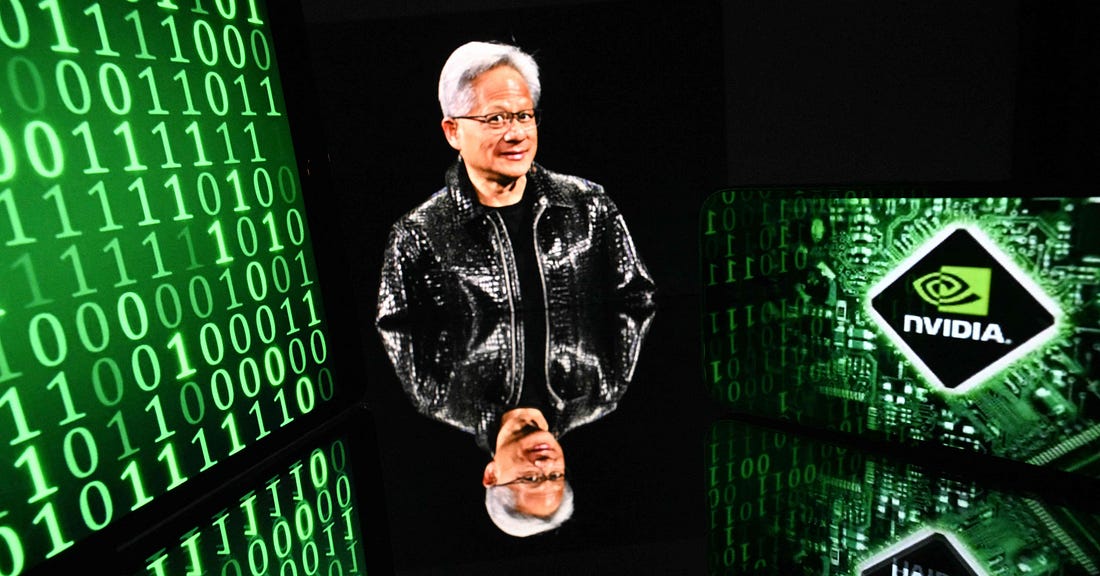
Hello! Cognitive warmup. Jensen Huang may well be AI’s equivalence to Indian polity—great at making slogans that may not necessarily mean much beyond a point. He recently went on an interview and said something on the lines of “an empty chair is better than a chair filled with the wrong person”. The latest from the great Huang, “In this new world of AI, compute equals revenues”, during the recent earnings call. What does that even mean?
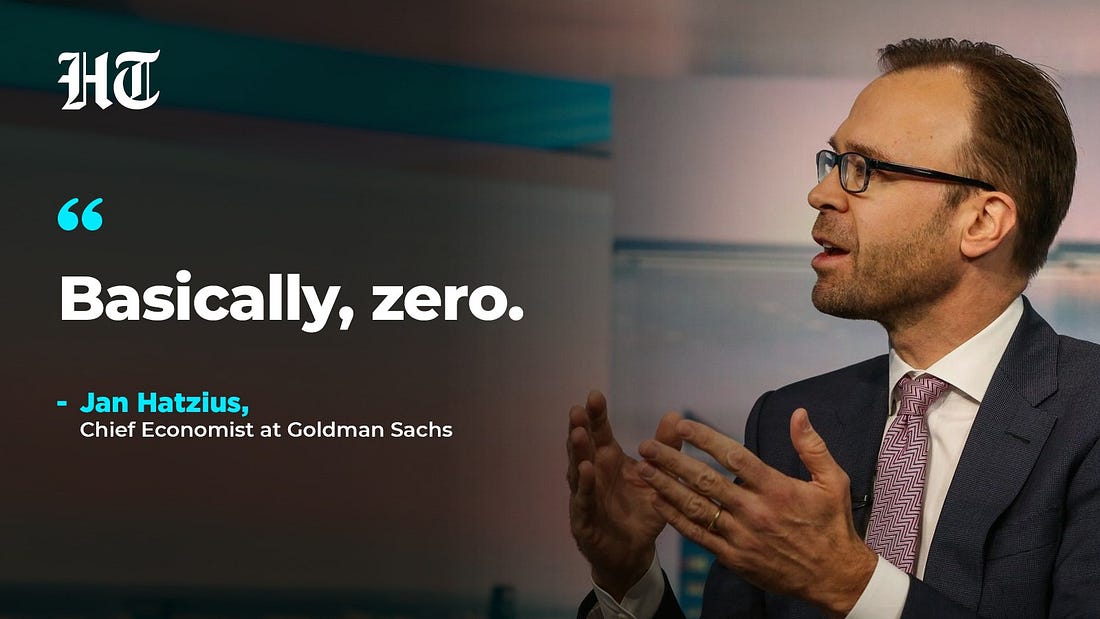
What Huang is basically saying is, if everyone (that is AI firms, hyper-scalers, etc.) can put together more inference capacity, they can generate more tokens—which means more billable tokens, which means growing revenue. If only it were not a call to spend another trillion dollars in infrastructure purchases, a lot of which Nvidia can sell to you. I’ll tell you two things. First, Goldman Sachs recently noted that AI contributed “basically zero” to the US GDP in 2025. Secondly, Huang is seemingly the frontrunner in keeping the bubble and circular economy pumped up for as long as possible. I can be called all manner of things by AI enthusiasts, but Goldman Sachs’s analysis can’t really be that off the mark? ALGORITHM In this week’s conversation:
PREVIOUSLY ON NEURAL DISPATCH
Finding contextThere are very few AI developments that I categorise as a win—beyond the noise, the hype, and the name-calling for anyone who critically analyses anything. This week, there’s one, from Google. The Google Translate app, which has begun using the Gemini models to improve translations for colloquial phrases and idioms that may not make sense across languages, is adding to that with alternate phrases being generated. So, if you’re looking for more options to convey a phrase like “It’s raining cats and dogs”, there will now be clear guidance on when and why to use different expressions, in a conversation. This is rolling out on the Google Translate app now—for iOS as well as Android. AI is the excuse?Talking of millionaires and billionaires creating jobs for a moment, Jack Dorsey says he is axing more than 4,000 jobs from his fintech company Block. The workforce strength before these cuts? 10,000 employees.
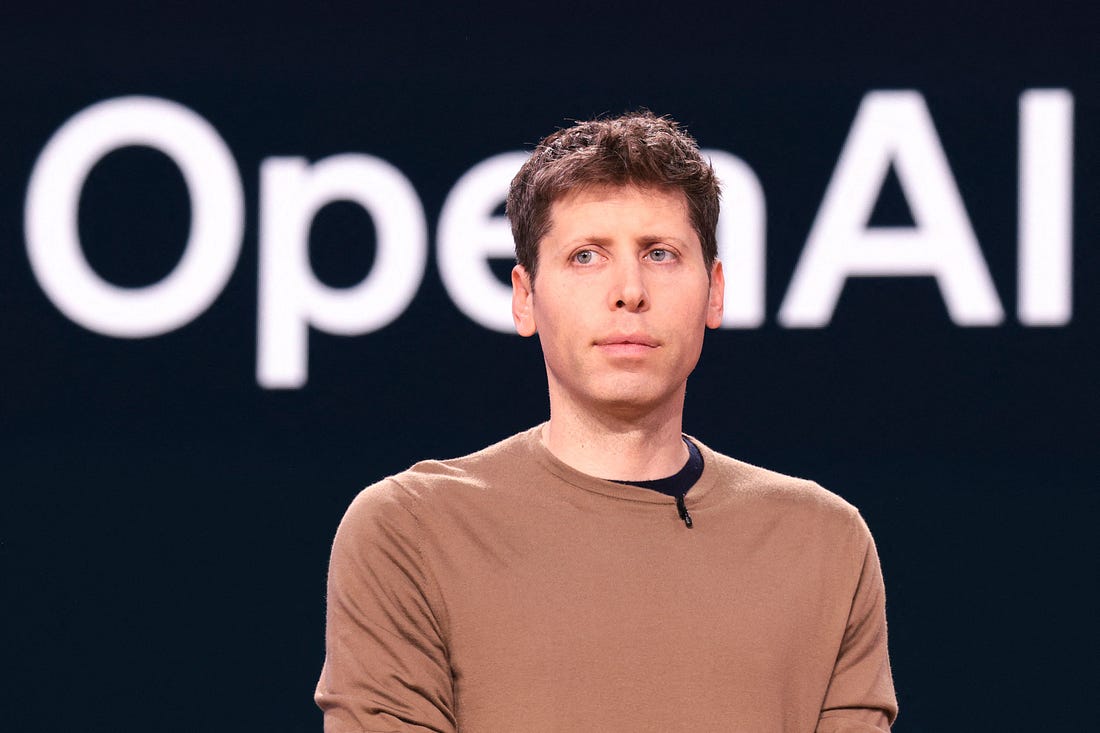
When you go on the defensive from the outset in a long justification post on X, saying “we’re not making this decision because we’re in trouble”, two things (you see a trend developing this week?) become clear: First, you’ve messed up and you need to find a way to spin this and come across as a concerned leader. And secondly, these are optics for valuation and investors, not the humans who will no longer have jobs. I’ll say the quiet part out loud: Block had no business having more than 10,000 employees in the first place. By claiming “AI tools” as the reason, you’re playing your part in keeping the bubble alive, while finding a ripe excuse that most won’t question. Or AI isn’t the excuse?And that neatly leads me to Sam Altman, who said this week, that “AI washing” by companies is a real thing—that is, making AI the scapegoat for mass layoffs, when the real reasons lie elsewhere. Of course, Sam, you gave them an excuse ready made to be used as an excuse, with all the “AI will take jobs” claims over the past 12 months.
At this juncture, an AI report released by the National Bureau of Economic Research in February comes to mind:
NBER says they survey almost 6000 CFOs, CEOs and executives from stratified firm samples across the US, UK, Germany and Australia. I have a feeling we will be talking more about this, again. THE LATEST ON WIRED WISDOM
Thanks for reading Neural Dispatch! Subscribe for free to receive new posts and support my work. THINKING
👆The assessment of Goldman Sachs Chief Economist Jan Hatzius in an interview a few days ago, when asked about AI’s impact on the US economy. That’s not a good look for the AI companies that have already sunk billions of dollars into AI, and have full intentions of sinking another trillion in the same pursuit. Caught in the frenzied convincing pitches, enterprises and businesses are spending big in search of efficiency and cost advantages (compared with humans) that AI firms have long claimed. But results have been, safe to say, less than impressive. Hatzius isn’t the only voice of reason. Recently, United States Federal Reserve Bank of Chicago President Austan Goolsbee noted that the work automation tools have “not been as big a driver of the economy as some have portrayed”. Hatzius also pointed out that while AI investment is high, about 75% of data-centre costs go toward imported hardware, meaning much of that growth benefits foreign economies (like Taiwan and Korea) rather than the US directly. Companies like OpenAI are projected to spend up to $600 billion on infrastructure by 2030, yet their 2025 revenue remained below $20 billion. Recently, analysts at JPMorgan estimated that AI needs to generate more than $600 billion in annual revenue just to provide a 10% return on these expenditures. No surprise that the circular funding method to keep the bubble inflated is the course of action at this time. And also no surprise that the likes of Nvidia’s Huang get very annoyed when someone calls out the circular investments. Neural Dispatch is your weekly guide to the rapidly evolving landscape of artificial intelligence. Each edition delivers curated insights on breakthrough technologies, practical applications, and strategic implications shaping our digital future. Edited and produced by Tushar Deep Singh.Thanks for reading Neural Dispatch! Subscribe for free to receive new posts and support my work.
|
मंगलवार, 3 मार्च 2026











0 टिप्पणियाँ: